Boyle's Machine About
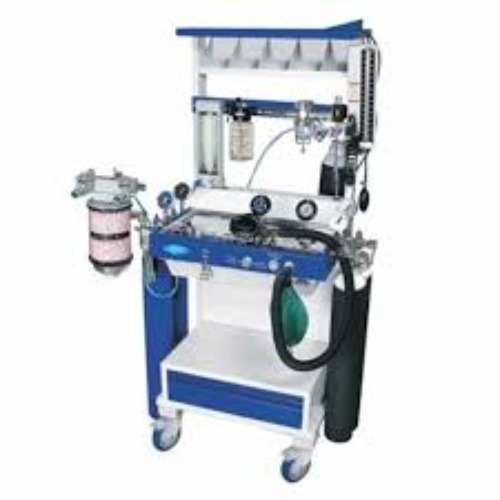
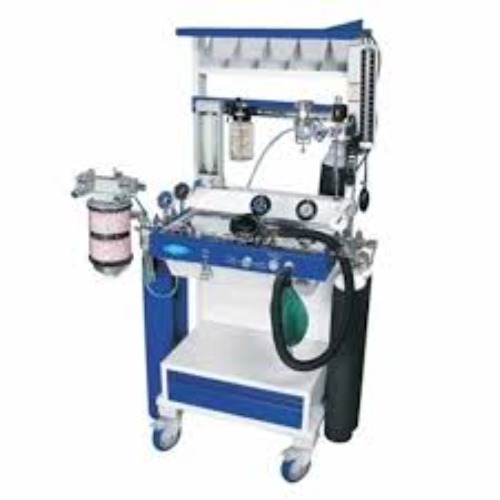
we provide high-quality laboratory equipment, precision instruments, and durable plastic ware to support scientific research and innovation. Our products are designed to meet the needs of modern laboratories, from academic to industrial settings. We offer a wide range of tools including microscopes, centrifuges, pipettes, and analytical balances. Our plastic ware collection features reliable and chemical-resistant items like test tubes, petri dishes, and storage containers. Each product is carefully sourced and tested to ensure accuracy, safety, and performance. With a focus on affordability and customer support, we are committed to helping your lab succeed.Reliable & Safe Anesthesia DeliveryThis Boyles Anesthesia Machine incorporates essential safety mechanisms such as an integrated anti-hypoxia device and a built-in mechanical oxygen failure alarm. Manual rotary controls and precision analog gauges allow for accurate adjustment and monitoring of O2 and N2O flow rates, reassuring clinicians of consistent and safe anesthesia delivery during surgical procedures.
Versatile Mobility and Storage SolutionsDesigned with heavy-duty swivel castors (with brakes) and a robust rectangular frame, the machine can be moved and positioned with ease across the operating room. Multiple drawers and a large stainless-steel work surface support organization of anesthetic accessories and instruments, optimizing workflow during busy surgical schedules.
FAQ's of Boyle's Machine:
Q: How does the anti-hypoxia device on the Boyles Machine work?
A: The anti-hypoxia device ensures that a minimum oxygen concentration is always delivered to the patient, preventing accidental hypoxic mixtures by automatically adjusting if nitrous oxide flow increases relative to oxygen.
Q: What is the process for changing gas cylinders using the DISS/DIN pin index system?
A: The DISS/DIN pin index system is designed to prevent incorrect cylinder attachment. Cylinders are aligned with corresponding pins on the yokes, ensuring only the suitable gas is connected, thus enhancing safety during replacement.
Q: When should the emergency O2 flush be used?
A: The emergency O2 flush should only be activated when rapid oxygen delivery is required, such as in sudden hypoxic events during anesthesia. It delivers 35-75 L/min of oxygen directly to the breathing system, bypassing the flowmeter and vaporizer.
Q: Where can the Boyles Machine be used effectively?
A: This machine is ideal for use in hospitals, surgical centers, and clinics across India where manual/mechanical anesthesia delivery is required. Its robust construction and mobility allow usage in various operating room settings.
Q: What benefits do the Bourdon-type pressure gauges offer?
A: Bourdon-type gauges provide reliable, clear analog readings of O2 and N2O cylinder pressures, allowing anesthesia providers to closely monitor gas supplies throughout surgical procedures.
Q: How does the vaporizer compatibility enhance anesthesia practice?
A: The system supports Halothane, Isoflurane, and Sevoflurane vaporizers, offering flexibility to tailor anesthesia delivery to patient requirements, which contributes to safer, more efficient clinical outcomes.
Q: What features make this anesthesia machine easy to use and maintain?
A: Manual rotary controls, analog flowmeters and gauges, multi-drawer storage, and an accessory rail provide intuitive operation and convenient storage, while powder-coated steel and medical-grade plastics allow for simple, hygienic cleaning and maintenance.
 Send Inquiry



 Send Inquiry

 Send Inquiry


