Digital Conductivity Meter About
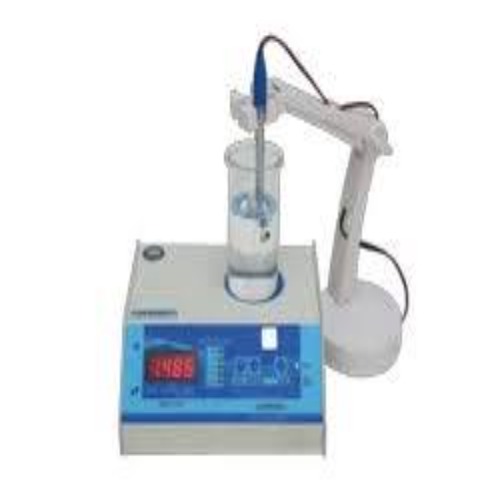
we provide high-quality laboratory equipment, precision instruments, and durable plastic ware to support scientific research and innovation. Our products are designed to meet the needs of modern laboratories, from academic to industrial settings. We offer a wide range of tools including microscopes, centrifuges, pipettes, and analytical balances. Our plastic ware collection features reliable and chemical-resistant items like test tubes, petri dishes, and storage containers. Each product is carefully sourced and tested to ensure accuracy, safety, and performance. With a focus on affordability and customer support, we are committed to helping your lab succeed.Versatile Multi-Range MeasurementMeasure a wide spectrum of conductivity from 0 to 1000 S and 0 to 10 mS, suitable for diverse liquid samples. The meter also enables Total Dissolved Solids (TDS) measurements at the press of a button, making it adaptable for laboratory research, water analysis, and educational purposes.
Manual Calibration and FlexibilityEquipped with an adjustable cell constant and manual calibration via a rotary knob, users can ensure precise and repeatable results. The high input impedance and accurate digital display let you trust every reading, while overload protection safeguards the meter during intense use.
Durable Construction and Ease of UseCrafted from robust ABS plastic, the Digital Conductivity Meter is lightweight yet resilient. Its compact, rectangular design fits seamlessly onto any lab bench, and standard accessories-including a dip-type electrode, cell holder, and dust cover-provide effortless setup and maintenance.
FAQ's of Digital Conductivity Meter:
Q: How do I calibrate the Digital Conductivity Meter manually?
A: Calibration is performed by using the dedicated calibration knob located on the front panel. Use a standard solution and adjust the knob until the display reads the expected value, ensuring precise results for your measurements.
Q: What is the process for switching between conductivity and TDS measurements?
A: The meter features a selectable function key labeled 'TDS/Cond.' that allows users to easily switch between measuring electrical conductivity and Total Dissolved Solids, accommodating various analytical requirements.
Q: Where can the Digital Conductivity Meter be used effectively?
A: This meter is ideal for laboratory and bench-top applications in research facilities, educational institutes, industrial water quality control, and similar environments, thanks to its precise measurement capabilities and sturdy construction.
Q: When should I adjust the cell constant on the meter?
A: Adjust the cell constant when calibrating the instrument for different types of electrodes or sample characteristics, ensuring measurement accuracy across various conductivity ranges and solutions.
Q: What benefits does the automatic temperature compensation feature provide?
A: Automatic temperature compensation ensures your conductivity and TDS readings remain accurate even as the liquid's temperature changes, with compensation supported within the 0C to 100C range.
Q: How do I maintain and clean the dip-type conductivity cell included with the meter?
A: Rinse the electrode with distilled water after use and gently clean any residue. Store it in the provided cell holder and cover with the dust cover to maintain accuracy and prolong electrode life.
 Send Inquiry



 Send Inquiry

 Send Inquiry


