Litmus paper About
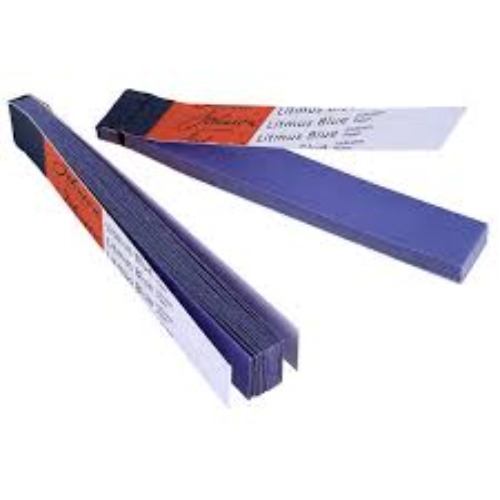
we provide high-quality laboratory equipment, precision instruments, and durable plastic ware to support scientific research and innovation. Our products are designed to meet the needs of modern laboratories, from academic to industrial settings. We offer a wide range of tools including microscopes, centrifuges, pipettes, and analytical balances. Our plastic ware collection features reliable and chemical-resistant items like test tubes, petri dishes, and storage containers. Each product is carefully sourced and tested to ensure accuracy, safety, and performance. With a focus on affordability and customer support, we are committed to helping your lab succeed.Quick and Reliable pH TestingLitmus paper offers an effortless way to determine whether a solution is acidic or basic. Simply dip a strip into the liquid and observe the rapid color change indicating the substance's pH nature. This laboratory essential ensures immediate, clear results without the need for electronic equipment.
Versatile ApplicationsWhether in classrooms, research labs, or fieldwork, litmus paper is a preferred tool for qualitative pH testing. Its portability and simplicity make it an excellent choice for checking water quality, experimenting in educational settings, or conducting routine acidity or alkalinity tests in various industries.
FAQ's of Litmus paper:
Q: How do I use litmus paper to test for acidity or alkalinity?
A: To test a solution, select the appropriate color litmus strip-blue for acids, red for bases. Dip the strip into the solution briefly and observe the color change. Blue paper turns red in the presence of acid, while red paper turns blue when exposed to alkaline solutions.
Q: What types of solutions can be tested with litmus paper?
A: Litmus paper can be used to test a wide variety of aqueous solutions, detecting whether they are acidic or basic within the pH range of 4.5 to 8.3. It is not suitable for non-aqueous solutions or substances outside this pH range.
Q: When should I replace my litmus paper strips?
A: It's best to use litmus paper within 2-3 years of purchase, provided they are stored properly in a cool, dry place, away from direct sunlight and chemicals. Replace strips if they show signs of discoloration or damage.
Q: Where should litmus paper be stored to maintain its effectiveness?
A: For optimal performance, keep litmus paper in cases or vials, stored in a cool, dry environment, away from moisture, chemicals, and direct sunlight. Proper storage ensures maximum shelf life and reliable results.
Q: What is the benefit of using blue versus red litmus paper?
A: Blue litmus paper is best for detecting acidic solutions, as it turns red in the presence of acids. Red litmus paper helps identify basic (alkaline) solutions by turning blue. Using the correct type enhances test accuracy and clarity.
Q: What is the process for disposing of used litmus paper?
A: After a single use, discard the litmus strip as regular laboratory waste, unless it has been in contact with hazardous substances-then follow appropriate chemical waste disposal protocols.
 Send Inquiry



 Send Inquiry

 Send Inquiry


