About Polypropylene Deep Multi Well Plate
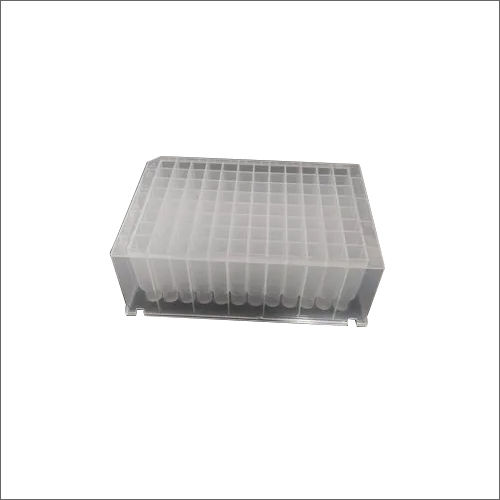
Polypropylene deep multi well plate by Maxome has a total of 96 places to keep tubes filled with samples, including chemicals. The chemical resistant rectangular plate made from PP is compatible with most automated systems. The users can smoothly and conveniently keep and withdraw the sample tubes. An alpha-numeric pattern is followed when it comes to labelling the wells in polypropylene deep multi well plate. When not in use, the multi well plates can be stacked for easy storage. The user in labs can also put the plate in automated liquid-handling systems or robotic samplers. As this plate can withstand low temperature, it can be used in cold rooms.
Product details
| Material | Polypropylene |
| Usage/Application | Chemical Resistant and is Compatible with Most Automated Systems |
| Shape | Rectangle |
| Country of Origin | Made in India |
| Brand | Maxome |
| HS CODE | 3923 3090 |
| Size | 96 Places |
Versatile Design for Multiple Laboratory ApplicationsPolypropylene Deep Multi Well Plates are crafted with flexibility in mind, making them ideal for diverse laboratory tasks including compound storage, high-throughput screening, PCR, and cell-based assays. Their various well shapes and volumes accommodate a range of samples, while the compatibility with modern sealing and stacking technologies ensures maximum utility in automated and manual workflows.
Superior Durability and Chemical ResistanceConstructed from robust polypropylene, these deep well plates are designed to withstand repeated exposure to harsh chemicals and extreme temperature fluctuations. The plates are autoclavable and certified DNase/RNase-free, minimizing contamination risks, and offer secure sample retention for long-term storage or challenging experimental conditions.
Optimized for Automation and Efficient HandlingStandardized dimensions and stackable features make these plates an excellent choice for fully automated laboratories. Each plate adheres to ANSI/SLAS standards, allowing seamless integration with robotic systems, while options like lids and barcodes further improve sample tracking and protection.
FAQ's of Polypropylene Deep Multi Well Plate:
Q: How are Polypropylene Deep Multi Well Plates used in chemical laboratories?
A: These plates are commonly used for sample storage, compound libraries, high-throughput screening (HTS) assays, PCR, and cell culture. Their compatibility with automated equipment and varied well sizes make them a staple in chemical and biological research workflows.
Q: What well shapes and sizes are available for these plates?
A: The plates come with round, U-bottom, or V-bottom wells, and are available in standard 96 or 384 well formats. Individual well capacities can be 1.2 ml, 2 ml, or 2.2 ml, accommodating a variety of sample volumes and application needs.
Q: When should I choose sterile versus non-sterile plates?
A: Sterile plates are recommended for applications involving cell culture, PCR, or work sensitive to contamination. Non-sterile plates suit tasks where sterility is not critical, such as general sample storage or chemical screening.
Q: Where are these multi well plates typically used?
A: They are widely used in research and diagnostics laboratories, pharmaceutical and biotech companies, and academic institutions across India and internationally, especially where high-throughput sample processing is required.
Q: What are the benefits of using polypropylene deep well plates over other materials?
A: Polypropylene plates offer superior chemical resistance, withstand autoclaving (from -80C to 121C), and are DNase/RNase-free. This ensures safe usage in demanding experimental conditions without risk of sample interference.
Q: How compatible are these plates with seals and automation systems?
A: These plates are fully compatible with heat-sealing films and adhesive seals for secure sample storage. Their ANSI/SLAS compatible dimensions and stackability make them suitable for robotic and automated workflows.
Q: What process is involved in tracking samples with these plates?
A: Plates can be supplied with or without barcodes, facilitating automated tracking and documentation of samples. Barcoded plates are particularly beneficial for high-throughput environments requiring accurate sample identification and traceability.
 Send Inquiry



 Send Inquiry

 Send Inquiry


