Glass Beta Radiation Shield About
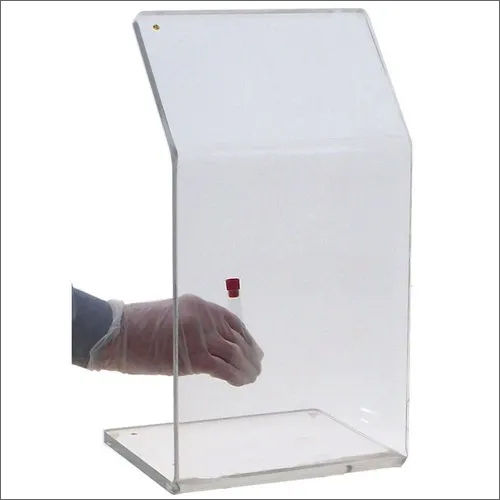
This rectangular glass beta radiation shield made in India has a thickness of 5mm. Made from glass, this transparent shield by Maxome can provide protection from different kinds of radiation, especially beta radiation, which is why it is highly demanded in medicine and nuclear industries. The harmful radiation in the nuclear industry is produced by nuclear reactors. In nuclear medicine, the shield protects the professionals from radiation developed in radiation therapy and while carrying out diagnostic scans, like PET CT scan. In lab applications, this shield protects the worker from radiation while viewing the processing of radioactive materials. Glass beta radiation shields are also useful when testing non-destructive materials.
Product details
| Shape | Rectangular |
| Country of Origin | Made in India |
| Thickness | 5 mm |
| Material | Glass |
| Brand | Maxome |
| Color | Transparent |
Engineered with a 0.5 mm Pb lead equivalent thickness, this shield is highly effective against beta radiation. It is not suitable for gamma or X-rays, ensuring users receive specialized shielding tailored for laboratory and industrial environments handling beta-emitting isotopes.
Versatile Mounting and Usage OptionsThe shield accommodates both freestanding and wall-mounted setups, suiting a variety of laboratory layouts. Its compact and rectangular design makes it ideal for placement near instruments, enabling hands-on work with hazardous materials while maintaining safety.
High Clarity and DurabilityBoasting more than 85% light transmittance, the shield allows for unobstructed monitoring and workpiece visibility. Its borosilicate and lead glass composition not only resists chemicals and heat but also ensures longevity and ease of maintenance in rigorous lab conditions.
FAQ's of Glass Beta Radiation Shield:
Q: How does the Glass Beta Radiation Shield provide protection in a laboratory setting?
A: This shield incorporates lead glass with a 0.5 mm Pb equivalent thickness, effectively absorbing beta particles while allowing more than 85% light transmittance. It acts as a physical barrier, reducing radiation exposure risk during laboratory procedures involving beta-emitting substances.
Q: What types of environments is this shield suitable for and where is it commonly used?
A: Designed for use in chemical laboratories, medical imaging, and nuclear research, the shield is versatile for any radiation laboratory needing defense against beta particles. It is widely implemented in settings that require high-precision shielding and clear observation of experiments.
Q: When should the Glass Beta Radiation Shield be used over other types of shields?
A: Opt for this shield when you require protection specifically from beta radiation. It is not appropriate for gamma or X-ray shielding. Use it during procedures involving beta-emitting materials, especially when high optical clarity and heat resistance are also necessary.
Q: What is the process for installing and positioning the shield in a workspace?
A: The shield supports both freestanding and wall-mounted installation. For manual positioning, simply place it between the hazardous source and the operator. Its polished and smooth edges help ensure safe handling during adjustments or relocation in the laboratory.
Q: How do I maintain and clean the shield to ensure its longevity?
A: Its glass surface is resistant to most chemicals and can be cleaned effortlessly using standard laboratory glass cleaners. Routine cleaning is recommended to preserve high visibility and the protective qualities of the shield.
Q: What are the key benefits of using this lead glass shield in laboratory applications?
A: The shield offers reliable beta radiation protection, high optical clarity, easy maintenance, chemical and thermal resistance up to 280C, and compliance with international safety standards. Its design also reduces workplace hazards with polished edges and customizable sizing options.
 Send Inquiry



 Send Inquiry

 Send Inquiry


